
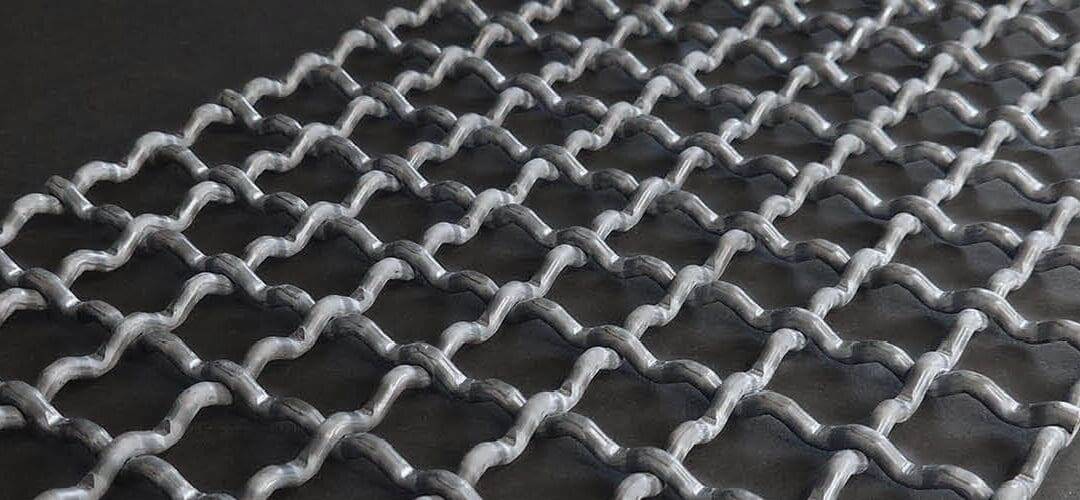
Woven wire is not high tensile by default. The word "woven" describes how the mesh is made, not what it is made from. Tensile strength comes from the wire itself, so a woven mesh can be high tensile, mild steel, stainless steel or another grade entirely.
That said, most heavy-duty screening mesh is woven from high-tensile steel. This guide explains what high tensile means, which materials are used for woven wire and how to choose the right grade for your project.
What High Tensile Means
Tensile strength is the pulling force a wire can take before it breaks. High-tensile steel is a high-carbon steel that has been drawn and heat-treated to raise that limit. The result is a harder, stronger wire that resists stretching and wears slowly under abrasion.
For mesh, this matters in two ways. A high-tensile wire holds its shape under load, so apertures stay accurate. It also lasts longer when rock, gravel or ore is constantly passing over it.
Common Materials for Woven Wire
At Graepels, we weave woven wire mesh in a range of grades. Each one balances strength, wear and corrosion resistance differently.
| Material | Tensile Strength | Wear Resistance | Corrosion Resistance | Best For |
|---|---|---|---|---|
| High-Tensile Steel | High | High | Low | Dry, abrasive screening |
| Manganese Steel | High | Very high | Low | Severe impact screening |
| Stainless Steel 316 | Good | Moderate | Very high | Wet, marine and food-safe use |
| Stainless Steel 304 | Good | Moderate | High | General industrial and architectural use |
| Mild Steel | Lower | Lower | Low | Light-duty mesh and guarding |
High-Tensile Steel
This is the standard choice for screening in quarries and mines. It gives the best balance of strength, wear life and cost where conditions are dry and abrasive.
Manganese Steel
Manganese steel is harder again. It is used where large, heavy material hits the mesh hard and a standard high-tensile screen would wear through too quickly.
Stainless Steel
Stainless steel has good tensile strength but its real advantage is corrosion resistance. It wears faster than high-tensile steel in dry screening, but it will outlast it in wet or chemical conditions.
Mild Steel
Mild steel is softer and cheaper. It suits light-duty jobs where strength and wear are not the main concern.
Where High-Tensile Woven Wire Makes Sense
High-tensile woven wire earns its place wherever abrasion and impact are constant. That includes:
- Aggregates and Quarrying: Sizing stone, sand and gravel on vibrating screen decks.
- Mining: Separating ore under heavy loads.
- Recycling: Screening construction and demolition waste, glass and compost.
- Agriculture: Grading grain and soil where wear is high.
Our woven screening mesh for quarrying and mining is built around these conditions, and sits alongside the rest of our screening media range.
When Another Grade Is the Better Choice
High tensile is not always the strongest option in practice. If the mesh rusts through, its tensile strength no longer matters.
For wet screening, food processing and outdoor architectural work, stainless steel mesh is usually the better buy. Fine apertures for sieving and filter mesh are also more often stainless. In architecture, mesh cladding and interior fitouts call for a durable finish and good looks, so stainless, brass and bronze are more common than carbon steel.
Why High-Tensile Wire Is Woven, Not Welded
High-carbon steel does not weld well. The heat of welding can undo the hardening that gives the wire its strength, leaving brittle spots at every joint. This is one reason high-tensile screening mesh is almost always woven.
Weaving locks the wires together mechanically, so the full strength of the steel is kept along every wire. Welded wire mesh is a good fit for fencing, guarding and rigid panels, but it is rarely made from high-tensile wire for this reason.
The Weave Matters Too
Material sets the strength of each wire. The weave decides how well the whole mesh holds up. A lock crimp weave keeps high-tensile wires firmly in place under vibration, while a flat top weave reduces surface wear. Pairing the right weave with the right grade gives the longest service life.
Choosing the Right Grade for Your Project
Start with the conditions the mesh will face. Dry and abrasive points to high-tensile or manganese steel. Wet, corrosive or visible points to stainless. If you are unsure, speak to our team and we will help you match the material, weave and aperture to the job.
