
Metal Filters
Woven Mesh and Perforated Metal Filters Made to Order
Metal Filters Made to Your Specification
At Graepels, we supply metal filters for all types of applications, from flat filter mesh cut to size to formed cones and cylinders. Each filter is made from woven wire mesh or perforated metal in stainless steel, galvanised steel or aluminium, with the aperture chosen to hold back the particles you need to remove and let everything else through.
Metal filters can be cleaned and returned to service rather than thrown away, which is why they are specified for water treatment, food processing, pharmaceutical, petrochemical and waste processing work. Send us the medium, the particle size and the fitting details and we will make the filter to suit.
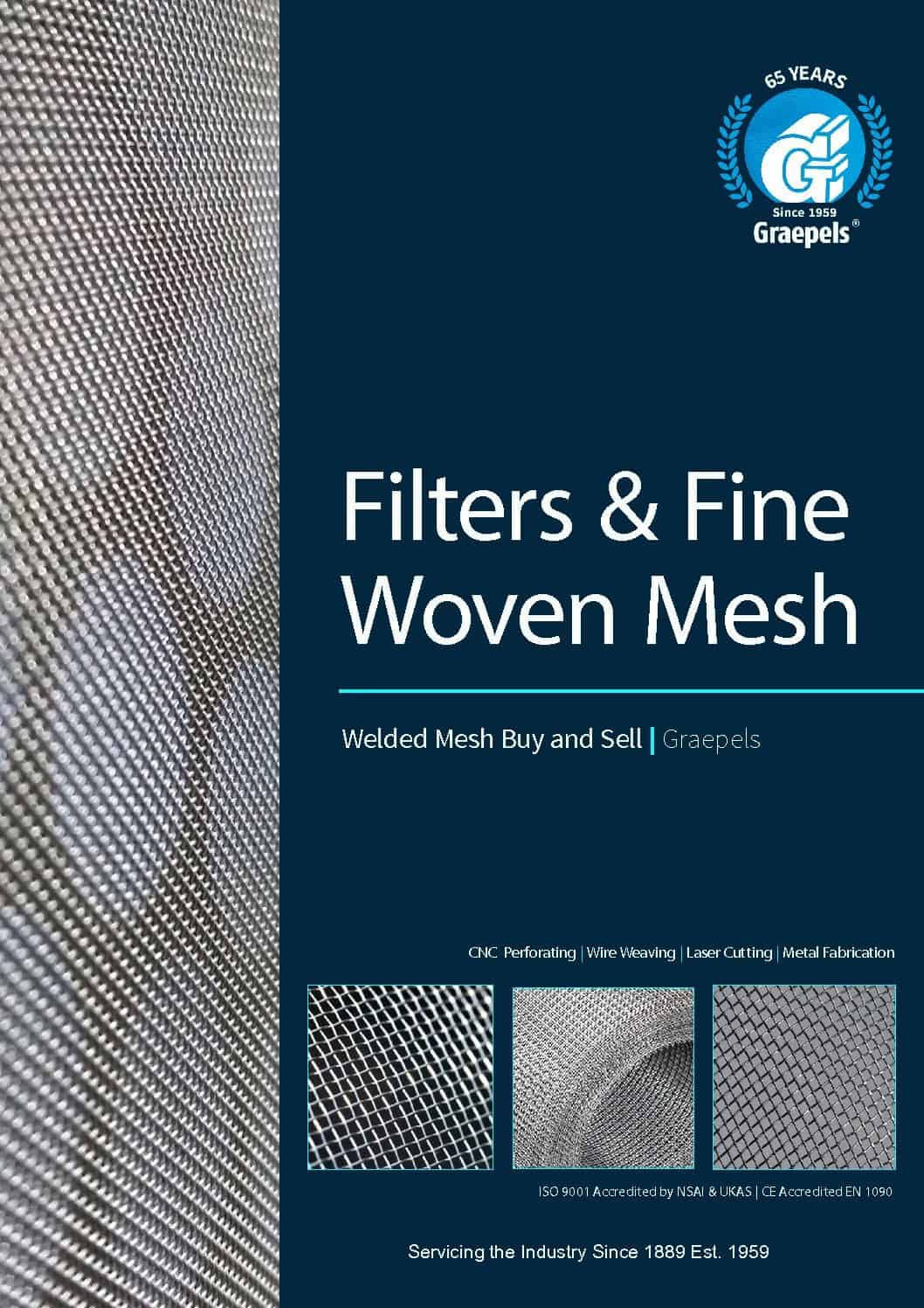
Download pdf 
Woven Wire Panels Made to Your Exact Specification
Every project is different, so we build each order around your specification. Choose your material, including high tensile steel, stainless steel, galvanised steel, mild steel, and corten, with other metals available on request. Then set your aperture, wire diameter, crimp type, and panel size. Standard panels run up to 6 metres long and 2.44 metres wide.
If you are working from a drawing, send it over. If you only have a rough idea, our team will help you turn it into a weave that works. We can also finish your panels in-house, with anodised, polished, coated, and painted options.
Materials
- Stainless Steel: The first choice for most filters. Grades 304 and 316 cover most applications, with 316 suited to harsher chemical and marine conditions.
- Galvanised Steel: A lower cost option for dry, general purpose filtration and strainers.
- Aluminium: Light and corrosion resistant, suited to air and ventilation filters where weight matters.
Applicaitons
- Water treatment
- Food and beverage processing
- Pharmaceutical
- Petrochemical, oil and fuel filtration
- Waste processing
- Hydraulics, ventilation and dust extraction
Benefits
- Cleanable and Reusable: Metal filters are backwashed or ultrasonically cleaned and returned to service, so they last for years rather than months.
- Corrosion Resistant: Stainless steel handles wet, acidic and wash-down conditions without breaking down.
- Heat and Pressure: Metal holds its shape at high temperatures and pressures where other filter media fail.
- No Contamination: Stainless steel will not contaminate the medium passing through it, which matters in food, pharmaceutical and water treatment work.
- Made to Size and Shape: Flat mesh, discs, cones and cylinders are cut and formed to your fitting.
- Aperture to Suit: Woven or perforated media with the opening set to the particle size you need to remove.
Use Cases for Mesh Filters
Our metal filters are specified across many process industries, but three account for most of the filters we make.

Water Treatment
Strainers, intake screens and filter elements that remove grit, debris and solids from raw water and process streams. Stainless steel handles continuous immersion and repeated backwashing without corroding, so the same filter stays in service for years.
Food and Beverage Processing
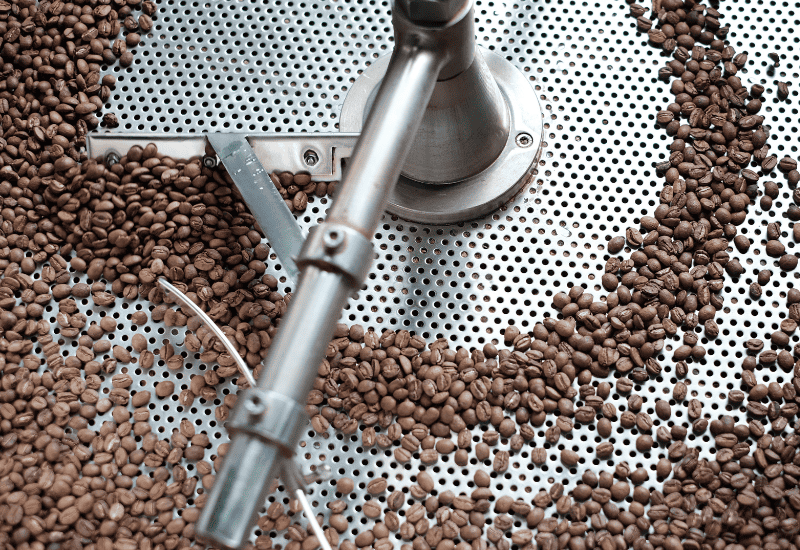
Sieves, strainers and filter mesh for sugar, dairy, brewing and general food processing lines. Stainless steel will not taint the product and stands up to daily wash-down, and each filter is made to the fitting it has to sit in.

Pharmaceutical
Fine filter mesh and formed elements for sieving, separation and product protection in pharmaceutical production, where contamination cannot be tolerated. Grade 316 stainless steel resists aggressive cleaning agents and process chemicals.
Woven Mesh or Perforated Metal Filters
Most metal filters are made from one of two media. Fine woven mesh gives the smallest apertures and the highest open area, so it is the choice for filter cloth, sieves and any stage where the particle size is measured in fractions of a millimetre. Perforated metal is a solid sheet with punched holes, so it is stiffer, easier to form and better suited to strainers, coarse pre-filters and support plates.
The two are often used together, with fine mesh laid over a perforated support that carries the load and keeps the mesh flat under pressure. At Graepels, we weave and perforate at our own works, so we can supply either medium or the combination, cut and formed to the fitting you need. If you are unsure which suits your application, tell us the particle size and the working pressure and we will recommend a construction.
Get In Touch About Metal Filters
Tell us what you are filtering, the particle size you need to hold back and the fitting the filter has to suit, and we will recommend the material and aperture and price it for you. If you are replacing an existing filter, send us a sample or a drawing and we will match it.
Frequently Asked Questions
Is Stainless Steel a Good Material for a Metal Filter?
Yes. Stainless steel resists corrosion, handles high temperatures and pressures, and can be cleaned and reused. It will not contaminate the media passing through it, so it suits food processing, pharmaceutical and water treatment work. Grades 304 and 316 cover most applications, with 316 used in harsher chemical and marine conditions.
How Long Do Metal Filters Last?
Metal filters last for years because the mesh can be cleaned and returned to service. Life depends on the medium, the pressure and how often the filter is backwashed or ultrasonically cleaned. Stainless steel outlasts mild steel in wet, acidic and wash-down conditions. Heavier wire also resists deformation across repeated cleaning cycles.
What Is Filtering Mesh Used For?
Filtering mesh separates solids from liquids, gases and air. It is used for water treatment, oil and fuel filtration, food and beverage processing, chemical handling, hydraulics, ventilation and dust extraction. Coarser meshes act as strainers and pre-filters that protect finer stages downstream. At Graepels we supply metal filters across food processing, agriculture and industrial applications.
How Do I Choose the Right Mesh Wire Filter Size?
Choose the largest aperture that still holds back the particles you need to remove. Aperture is the clear opening between wires, and it gives a more reliable guide than mesh count. Going finer than necessary raises pressure drop and blinds the filter faster. Wire diameter and weave type both affect the true opening, so check them against the requirement.