
Woven Wire Mesh
Strength in Every Weave!
What is Woven Wire Mesh?
Woven wire mesh is made by interlacing crimped metal wires in an over-under pattern, similar to fabric weaving, but with steel. The result is a strong, flexible, and highly versatile material used across architecture, industry, and security.
Available in a wide range of metals including stainless steel, high tensile steel, mild steel, and corten, woven wire comes in countless patterns, aperture sizes, and configurations. Whether you need an architectural feature or a heavy-duty industrial panel, there's a woven wire solution for the job.
Download pdf 

Data Centre SR Rated Framed Mesh
Graepels SecureGuard Mesh, Manufactured by us.

Quarry Mesh
Screening Media Replacement Screens for Quarrying
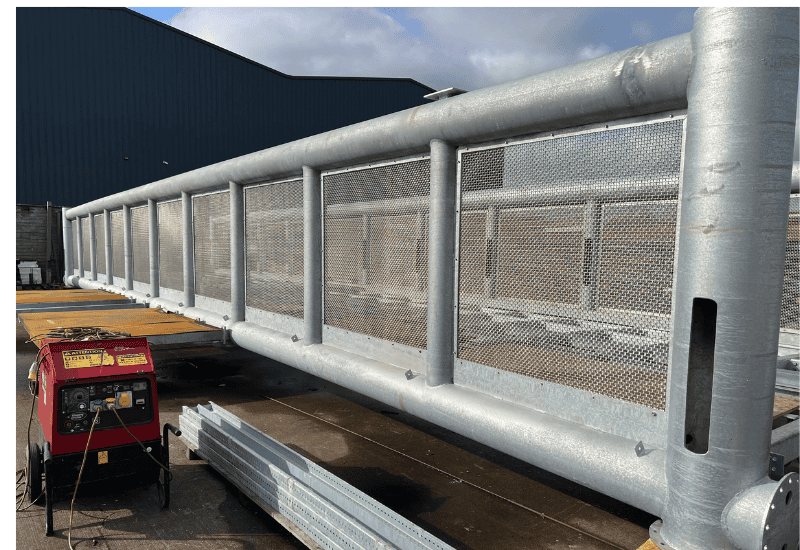
Pedestrian Bridge Infill
Turnkey solutions: Woven Wire Balustrade Infill
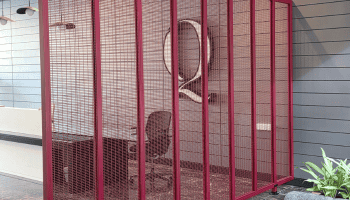
Pleat Woven Wire Mesh
Woven Wire Mesh Interior Screens for Foyer.
How Is Woven Wire Mesh Made?
1. Wire Drawing
Metal rods or coils are drawn through dies to achieve the required wire thickness.
2. Crimping
The wire is passed through crimping wheels to form consistent waves or crimps. This adds strength, keeps the mesh stable, and defines the final pattern.


3. Weaving
The crimped wires are woven together on a loom — over and under — to form the finished mesh with precise openings and patterns.
Our woven wire mesh is available in a range of materials, including stainless steel, high-tensile steel, copper, and corten, It can be tailor-made for bespoke projects or supplied for standard applications across architectural, industrial, and commercial sectors.
Choose Your Woven Metal Wire Mesh in 4 Key Steps
1. Which Type of Metal Mesh Wire Is Right for Your Project?
Getting the correct type of mesh wire for your specific application is important, which is why we categorise our woven wire into 4 main use types:
Architectural Wire
Ideal for design-focused and decorative applications, combining strength with aesthetic appeal for facades, screens, and interior features.
Industrial Wire
Engineered for durability and performance in heavy-duty settings like screening, filtration, and machine guarding.
Bespoke Mesh
Custom-made to your specification, allowing unique patterns, apertures, and crimp styles tailored to your project’s needs.
Security Mesh
Engineered for strength and protection in high-risk environments with SR1 and SR2-rated certification to meet LPS 1175 standards.
2. How Would You Like Your Metal Mesh to Look?
When you’re ordering metal mesh, for manufacture there are a few key considerations to keep in mind: the material type, the panel thickness/depth and sheet size.
The below provides an overview of capabilities and considerations.
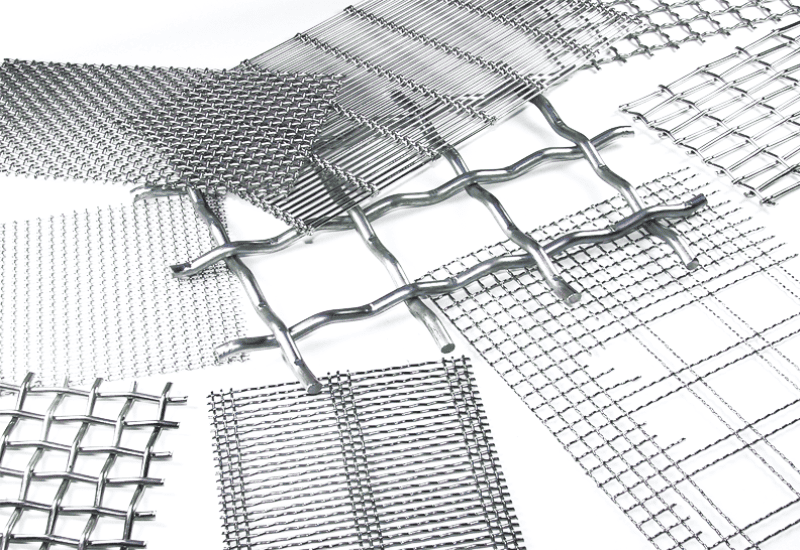
The Woven Wire Panel
- Type of Metal Material: Available in a range of materials, including High Tensile Steel, Stainless Steel, Galvanised Steel, Mild Steel, Corten, and other metals by special request.
- Panel Thickness: Panel thickness is the combined diameter of the warp and weft wires. For example, a 3mm warp and 3mm weft create a panel 6mm thick.
- Sheet Size: Standard panel sizes are up to 6 metres long and 2.44 metres wide, providing flexibility for different installation needs.
The Wire & the Weave
- Aperture: Aperture refers to the distance between two openings, calculated by subtracting the wire diameter from the average pitch. Aperture sizes range from 2mm up to 150mm, depending on your filtration, airflow, visibility, and security requirements.
- Wire Diameter: Wire diameters are available from 2mm up to 12mm, affecting strength, rigidity, flexibility, and visibility. Thicker wires increase durability but reduce flexibility and openness.
- Weave Pattern: Choose from a variety of weave patterns offering different levels of strength, stability, filtration, and aesthetic appeal. We can tailor this to your specific application.
- Pitch: Pitch refers to the wire diameter and the aperture measurement. Changing the pitch will alter the density of the mesh.
- % Open Area: Standard open area for woven wire is between 50% and 70%. This helps you meet your airflow, visibility, or screening needs.

3. Consider your Crimp Type
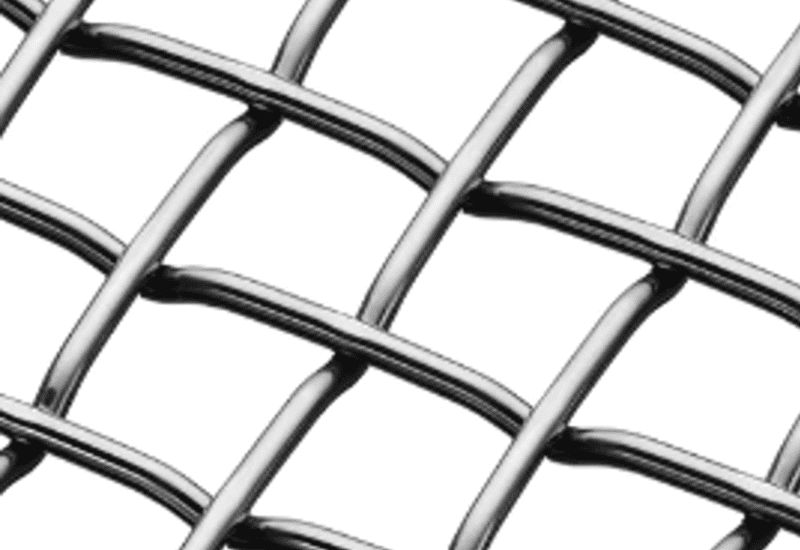
Crimp types in woven wire refer to how the wires are shaped and interlocked during weaving to ensure stability, strength, and consistent openings. Common types include: Single Crimp, Lock Crimp, Double Crimp and Flat Top Crimp.
Need Help Choosing?
We can help match the best crimp style to your application, whether you're designing for industrial strength or architectural appeal.
Single Crimp

Lock Crimp

Double Crimp

Flat Top Crimp
Draw Some Inspiration from Our Favourite Woven Wire Designs
4. Choose your Pattern.
At Graepels, we offer a selection of popular woven wire patterns as standard. However, this is just a glimpse of what's possible with a wide variety of additional patterns and specifications are available to suit your unique needs. If you don’t see what you're looking for, just get in touch!

Straight Line Wire (SLW)
Features a layered weave pattern that adds depth and visual texture to architectural projects.

Cascade Woven Wire
A timeless, balanced weave suitable for both industrial and decorative uses.

Classic Woven Wire
A timeless, balanced weave suitable for both industrial and decorative uses.
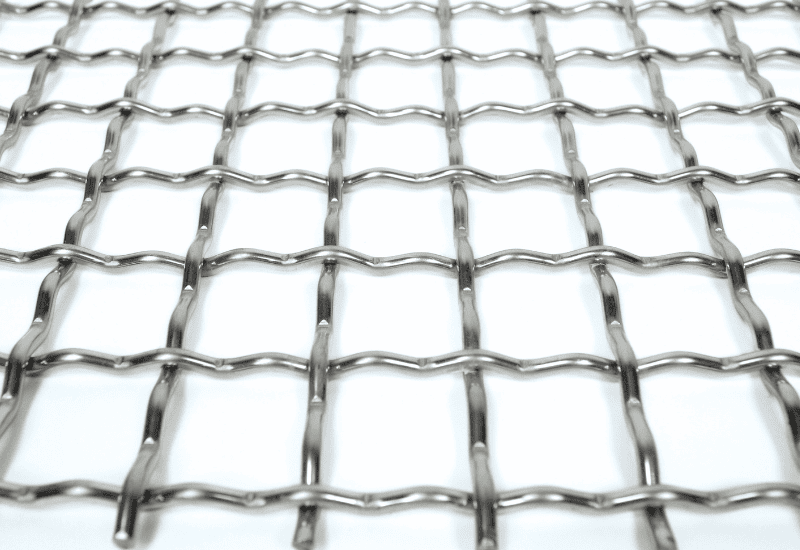
Pleat Woven Wire Mesh
Adds a pleated texture for increased visual interest and dimensional effect.

Nova Weave
A contemporary weave offering a sleek, structured pattern for modern designs.

Moxy Woven Wire
Combines strength and style with bold, interlaced wire intersections.

Tartan Woven Wire
Creates a tartan-inspired grid with alternating wire thicknesses for a unique look.

Copper Luxe
Incorporates copper accents into the weave for warmth and standout visual appeal.

Stellar Woven Wire
A decorative weave blending different metal tones for a striking, patterned effect.

Platinum Weave
A refined weave with smooth finishes, designed for premium architectural features.

Ribbon Weave
Uses flat ribbon-style wires to achieve a bold, linear aesthetic with clean lines.

Herringbone Weave
Features a distinctive angled pattern resembling herringbone fabric for dynamic visuals.
Additional Features
- Finishes: Woven mesh can be supplied in different finishes to improve appearance, corrosion resistance, and overall performance. At Graepels, we can provide plain, mill finish, polished, coated, or painted finishes.
- Fabrication: General fabrication services are available for all woven wire panels, including framing, folding, welding, and other custom modifications.
If you’re unsure at any point, simply get in touch with the team, and we would be happy to walk you through the process and find the best solution for your project.

What Are the Benefits of Woven Wire Mesh?
1. Strength and Durability – 4 key elements for woven wire strength
- high-strength metals which offer excellent mechanical properties, including tensile strength, impact resistance, and durability.
- The crimped (corrugated) to lock them in place. This prevents shifting under load and distributes stress across the mesh, improving structural stability and strength.
- Over-under weaving pattern creates natural load distribution across both warp (longitudinal) and weft (transverse) wires.
- The result is a flexible yet strong mesh that can absorb pressure, resist deformation, and maintain shape under tension. The diameter of the wire, crimp style, and aperture size can all be adjusted to increase strength depending on the application, whether it's for security, load-bearing panels, or protective screening.


2. Versatility – Woven metal mesh is available in various materials, patterns, and configurations for projects in all industries and sectors.
3. High Open Area – Promotes different rates of airflow and ventilation for systems like HVAC, architectural screens and more.
4. Aesthetic Appeal – Woven wire mesh is a unique and striking material for any interior or exterior design, while still serving a functional purpose. It adds visual interest and texture to spaces, and can even be woven into lettering, which is a custom process known as Alpha Weave.
5. Security and Protection – Woven wire forms a strong barrier against intrusion, vandalism, and unauthorised access, all while retaining aesthetics.
Another key benefit is that our wire panels can be created completely bespoke for your needs. You can choose the material, the thickness, the size of the openings, and the overall design.
For a list of common applications visit the application section of the website. For more information on the industry sectors served and the uses within each market visit the industry section of the website.
Ready to Bring Your Woven Wire Project to Life?
Whether you need architectural woven wire for standout designs, industrial mesh for demanding applications, or a completely bespoke pattern tailored to your vision, Graepels is here to manufacture precision-engineered woven wire to your exact specifications. Simply get in touch and begin the design process today.
Frequently Asked Questions
What Is Woven Wire Mesh Used For?
Woven wire mesh is used across architecture, construction and industry. Common applications include facade cladding, balustrade and bridge infill, interior screens, machine guarding, quarry screening and data centre security. At Graepels we group our woven mesh into architectural, industrial, bespoke and security types, so each panel is matched to the job it has to do.
What Sizes Does Woven Wire Mesh Come In?
Our woven wire mesh is made with apertures from 2mm to 150mm and wire diameters from 2mm to 12mm. Standard panels run up to 6 metres long and 2.44 metres wide. Open area is usually between 50% and 70%. We weave to your specification, so the aperture, wire and panel size can all be set for the project.
Which Materials Are Used for Woven Steel Mesh?
Woven steel mesh is made in stainless steel, high tensile steel, mild steel, galvanised steel and corten, with other metals such as copper by special request. Stainless steel gives corrosion resistance and a clean finish. High tensile steel suits heavy-duty screening and security work. Our guide to high tensile woven wire covers the grades in more detail.
Is Stainless Woven Mesh Suitable for Outdoor Use?
Yes. Stainless woven mesh resists corrosion, which makes it a good fit for facades, balustrades and other exterior work. Grades 304 and 316 are available, with 316 used where salt or chemicals are present. Corten is another outdoor option and weathers to a rust-coloured finish. We can also supply coated or painted finishes to suit the design.
What Crimp Types Are Available for Woven Mesh?
We weave woven mesh in single crimp, double crimp, lock crimp and flat top crimp. The crimp is the wave formed in each wire before weaving. It locks the wires in place, keeps the openings consistent and shapes how the mesh looks and performs. Our team can match the crimp style to your application, whether industrial or architectural.