Fine Woven Mesh
Small Openings, Big Impact
Buy Fine Metal Mesh Direct from Graepels
At Graepels, we have woven fine metal mesh at our own facilities in the UK and Ireland since 1959. When you order from us, you buy direct from the people who make it. No distributors, no delays on technical questions, and no off-the-shelf compromises.
Whether you need a single panel or a full production run, send us your requirements, and we will price the job.
Download pdf 
Fine Woven Wire Mesh Made to Your Specification
Standard mesh rarely fits the job exactly, so we make fine woven wire mesh to order. Choose your material, aperture, wire diameter, and open area, and we will weave and cut your mesh to match. We supply panels or rolls in stainless steel, galvanised steel, and aluminium, with other materials available on request.
Our in-house services cover laser cutting, bending and rolling, folding, welding, and bespoke fabrication, so your mesh arrives finished and ready to fit.
Take a look at our range of screening media options for the quarrying and recycling industry. If you are unsure which specification you need, speak to our team, and we will work through it with you.
Trusted Mesh Manufacturers Since 1959
We have supplied architects, engineers, and fabricators across the UK and Ireland for over 65 years. Our fine mesh is used for precision sieving, fly and vermin screening, ventilation panels, and architectural features. Whatever the application, you get straight answers, quality materials, and a mesh made for your project.
The Benefits of Our Fine Metal Mesh
-
Strength and Durability: Despite its fine construction, woven mesh can offer significant strength and durability. Metal meshes are known for their robustness and resistance to mechanical stresses, corrosion, and hot temperatures, making them suitable for demanding industrial applications.
-
High Open Area: Fine woven mesh typically maintains a high open area, meaning it allows for efficient airflow or fluid flow while holding back fine particles. This helps in applications where flow rates need to stay steady, such as HVAC systems, ventilation and food processing.
-
Precise Separation: Fine woven mesh holds back small particles, thanks to its tightly woven structure. This suits sieving, materials testing, laboratory work and protective gauze, where openings need to be accurate.
-
Versatility: Fine woven mesh can be manufactured using various materials, including metals like stainless steel, aluminium, and brass, as well as synthetic materials like nylon and polyester. This versatility allows it to be adapted to different environments and applications, from industrial screening to architectural design.
How to Choose the Right Fine Woven Wire Mesh
What is Fine Metal Mesh?
Fine woven wire mesh is a tightly interlocked metal fabric made from thin wire strands. The term "fine" refers to its small, precise apertures, which suit sieving, screening and ventilation work that needs accurate openings.
It gives you strength, breathability, and close control over airflow and particle size. We commonly weave stainless steel gauze mesh, aluminium, and galvanised steel, depending on the demands of the end application.
Choose the Right Type of Metal Wire Mesh
- Sheet Size: Available as panels or in rolls. Mesh can be cut to specification depending on project requirements,speak to a Graepels representative to find the right fit.
- Material: Standard options Stainless Steel, Galvanised Steel and Aluminum other on request
- Metal Type & Grade: Select a grade based on the environment. Factors to consider include corrosion resistance, temperature exposure, chemical compatibility, and structural strength.
Select the Right Metal Mesh Proportions
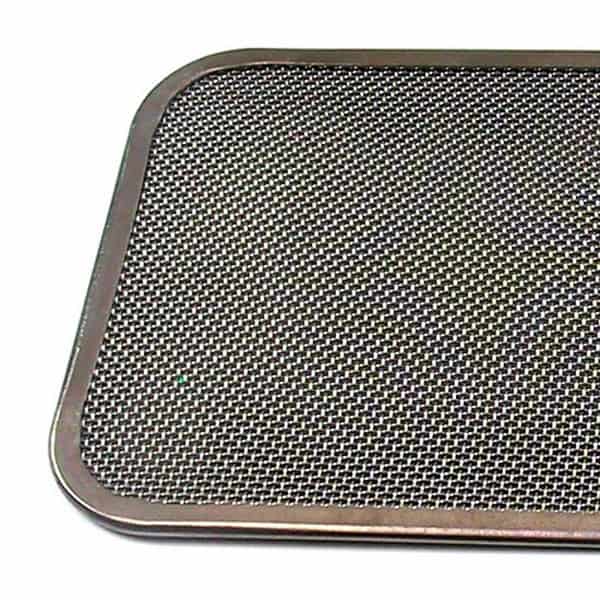
- Mesh Aperture: Aperture size determines the size of particles that can pass through. Smaller openings suit fine sieving and separation, while larger ones are used for applications like vermin mesh (6.35 mm for mice, 9.5 mm for rats).
- Open Area (%): This is the percentage of mesh that is open space, allowing air or fluid to pass through. Fine woven mesh typically offers 20% to 80% open area.
- Wire Diameter: The thickness of the wire contributes to mesh strength and separation accuracy. Choosing the right diameter helps balance rigidity with performance.
- Mesh Number: This refers to the number of openings per linear inch. A higher mesh number generally means finer mesh, with aperture size and wire diameter both affecting this figure.
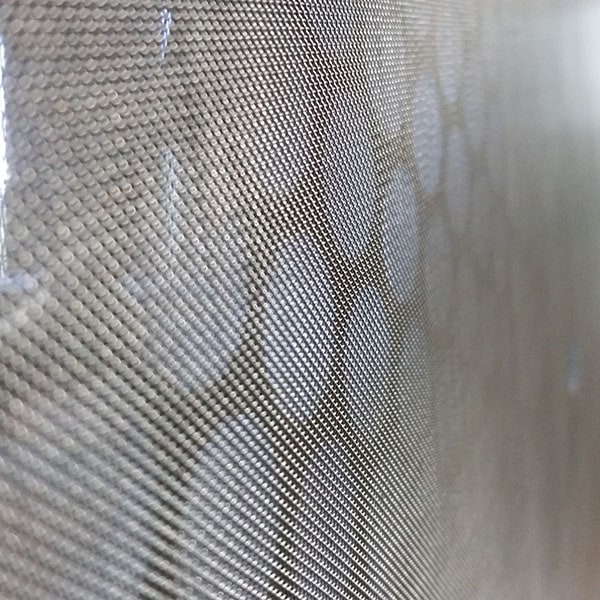
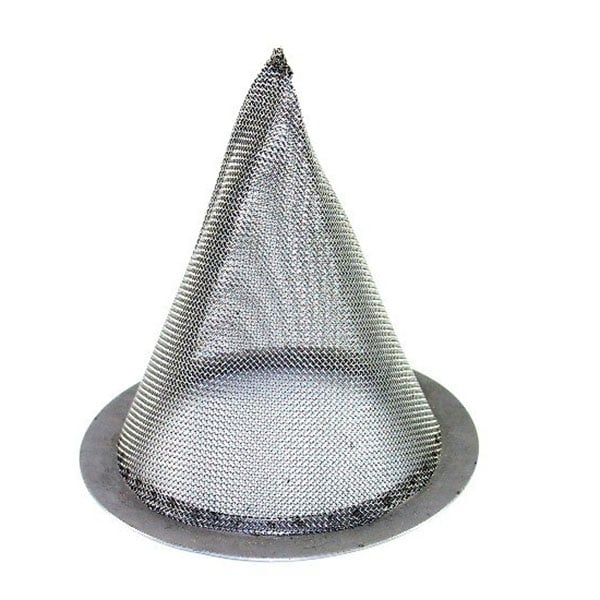
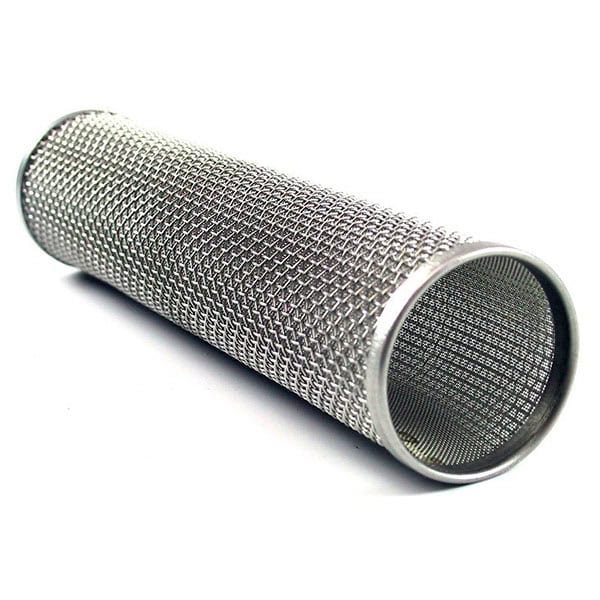
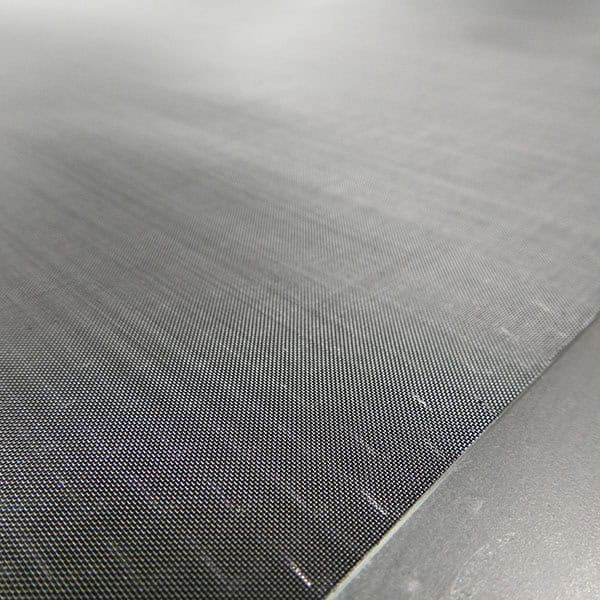
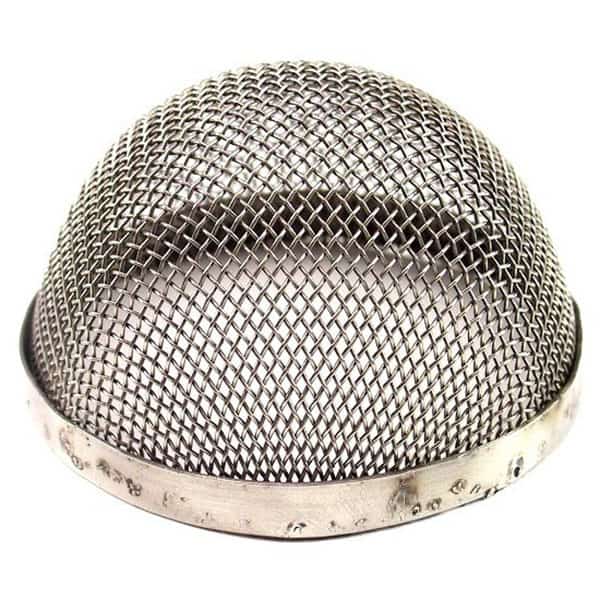
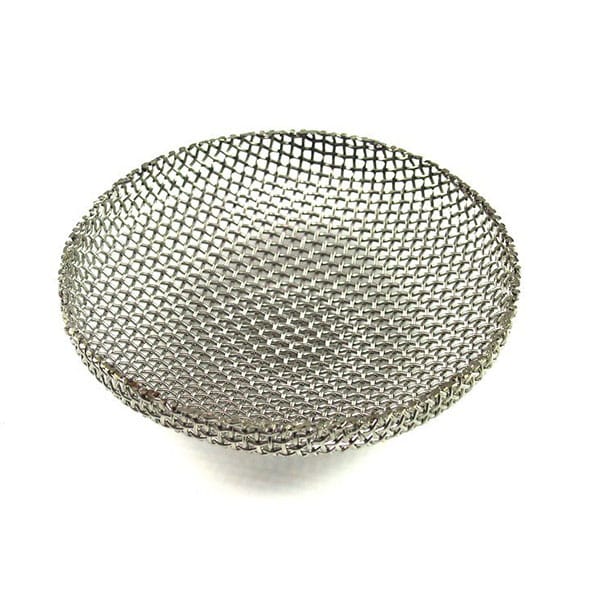
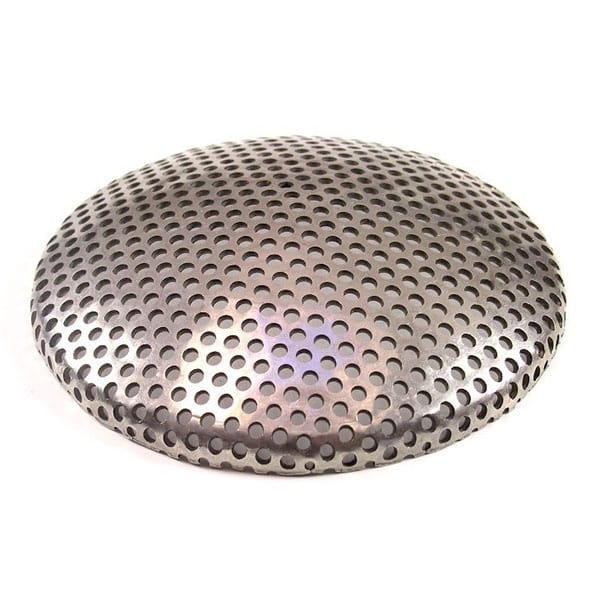
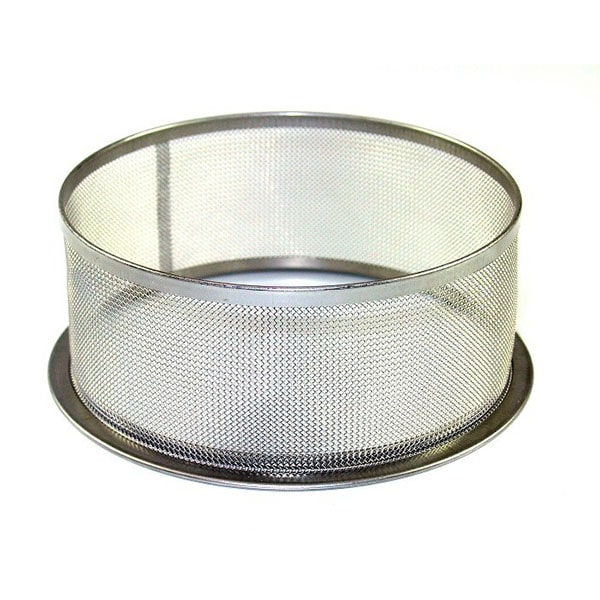
For a list of common applications visit the application section of the website. For more information on the industry sectors served and the uses within each market visit the industry section of the website.
| Industrial | Design | Process |
| Construction | Architecture | Food Processing |
| Agricultural | Hospitality | Pharmaceuticals |
| Maritime & Fisheries | Interior Design | |
| Safety & Security | Landscape & Garden Design |
Ready to Order Your Fine Woven Mesh
Send us your specification, a drawing, or a description of the job and we will come back with a price and lead time. If you are still weighing up options, our team will help you settle on the right mesh before you commit.
Frequently Asked Questions
What Is Fine Woven Mesh?
Fine woven mesh is a woven wire mesh made from thin wire with small, precise apertures. The wires are interlaced in an over-under pattern to form a tight metal fabric. At Graepels we produce fine woven wire mesh for sieving, insect and vermin screens, protective gauze and ventilation panels, cut to size for each project.
What Is Fine Metal Mesh Used For?
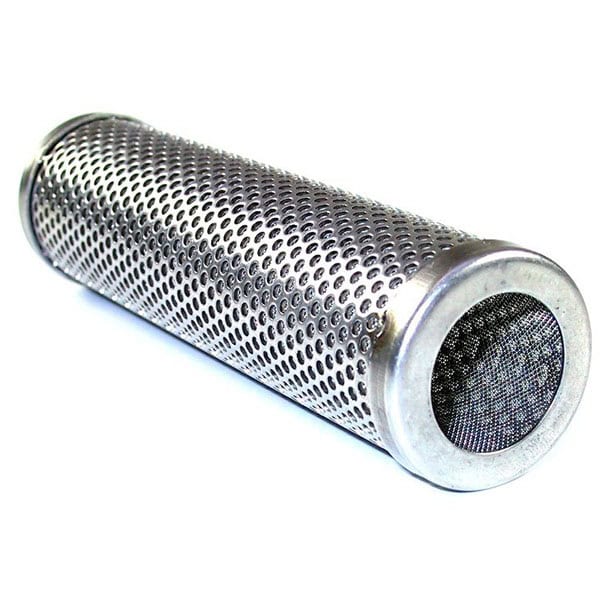
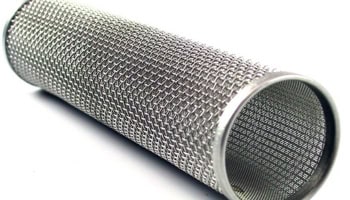
Fine metal mesh is used where small openings and steady airflow are needed together. Common uses include insect and vermin screens in agriculture and architecture, sieving and sorting in quarrying, recycling and materials testing, protective gauze in electronics and aerospace, and ventilation panels for data centres and HVAC systems. For complete filter units, see our metal filters.
How Is Fine Woven Mesh Different From Standard Woven Wire Mesh?
Standard woven wire mesh uses heavier wire and larger openings for screening, guarding and architectural panels. Fine woven mesh uses thinner wire and much smaller openings. It is chosen where the mesh needs to stop small particles, insects or debris while still letting air through. Both are woven in the same over-under pattern.
What Materials Is Fine Woven Wire Mesh Made From?
Our standard options are stainless steel gauze mesh, galvanised steel and aluminium. Other metals are available on request. Choose the grade for the environment the mesh will face, including corrosion, temperature, chemical contact and the strength it needs. Tell us where the mesh will be used and our team will recommend a suitable material.
How Do I Choose the Right Fine Metal Mesh?
Start with the aperture, which sets the size of particle that can pass. Then check the open area, usually 20% to 80% for fine woven mesh, and the wire diameter, which balances strength against flow. Mesh number, the count of openings per linear inch, helps you compare options. We supply fine mesh in panels or rolls, cut to your size.